If you’ve been dealing with persistent heel, arch, or tendon pain that hasn’t improved with rest, stretching, or orthotics, platelet-rich plasma (PRP) therapy may be an option worth discussing with your podiatrist. PRP is a regenerative treatment that uses your body’s own healing factors to target chronic soft-tissue injuries — often helping patients avoid more invasive procedures.
PRP is made from a small sample of your own blood. After it’s drawn, the sample is placed in a centrifuge that separates and concentrates the platelets — the cells responsible for clotting and tissue repair. This concentrated plasma is rich in growth factors, and when injected into an injured area, it can stimulate the body’s natural healing response.
Because PRP comes from your own blood, the risk of an allergic or adverse reaction is very low.
In the foot and ankle, PRP is most commonly used for chronic, slow-healing soft-tissue problems, including:
PRP is typically considered when first-line treatments — rest, physical therapy, orthotics, and anti-inflammatory measures — haven’t provided lasting relief.
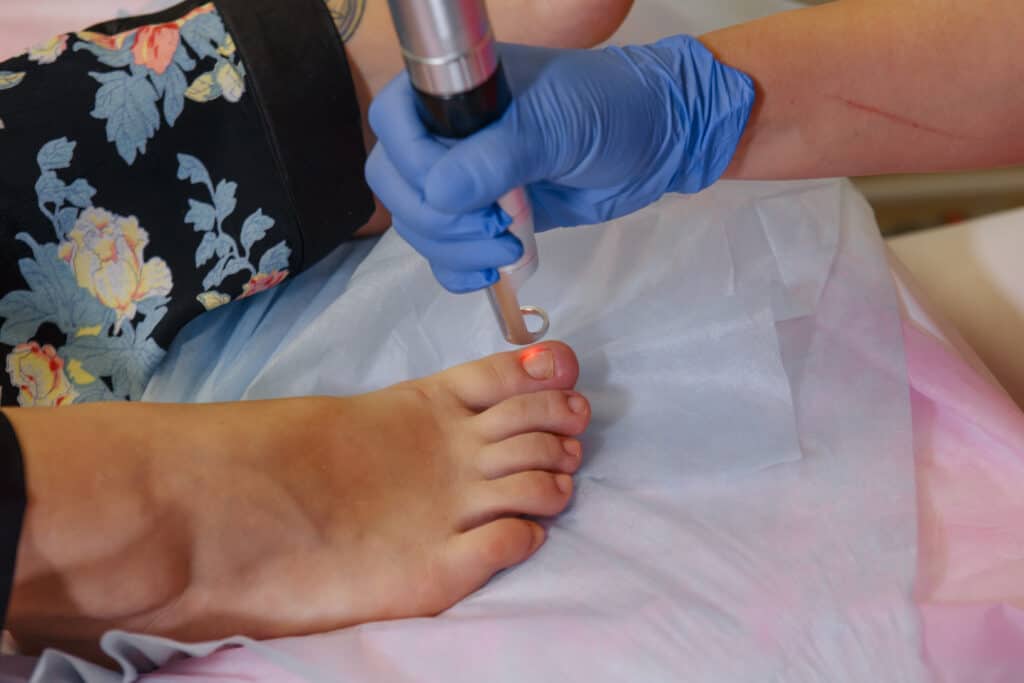
A typical PRP visit takes under an hour. After your blood is drawn and processed, the area is cleaned and often numbed, and the PRP is injected directly into the injured tissue, sometimes with ultrasound guidance for accuracy.
Mild soreness for a day or two afterward is normal and is part of the healing response. Most patients return to light activity quickly, though your podiatrist may recommend easing back into high-impact exercise. Depending on the condition, a short series of injections may be advised, with improvement building gradually over several weeks.
PRP isn’t the right choice for every condition, and results can vary from patient to patient. The best way to know whether it fits your situation is a thorough evaluation of your injury, your history, and your goals.
If chronic foot or ankle pain is holding you back, book an appointment with our team to discuss whether PRP therapy or another treatment is the right next step.